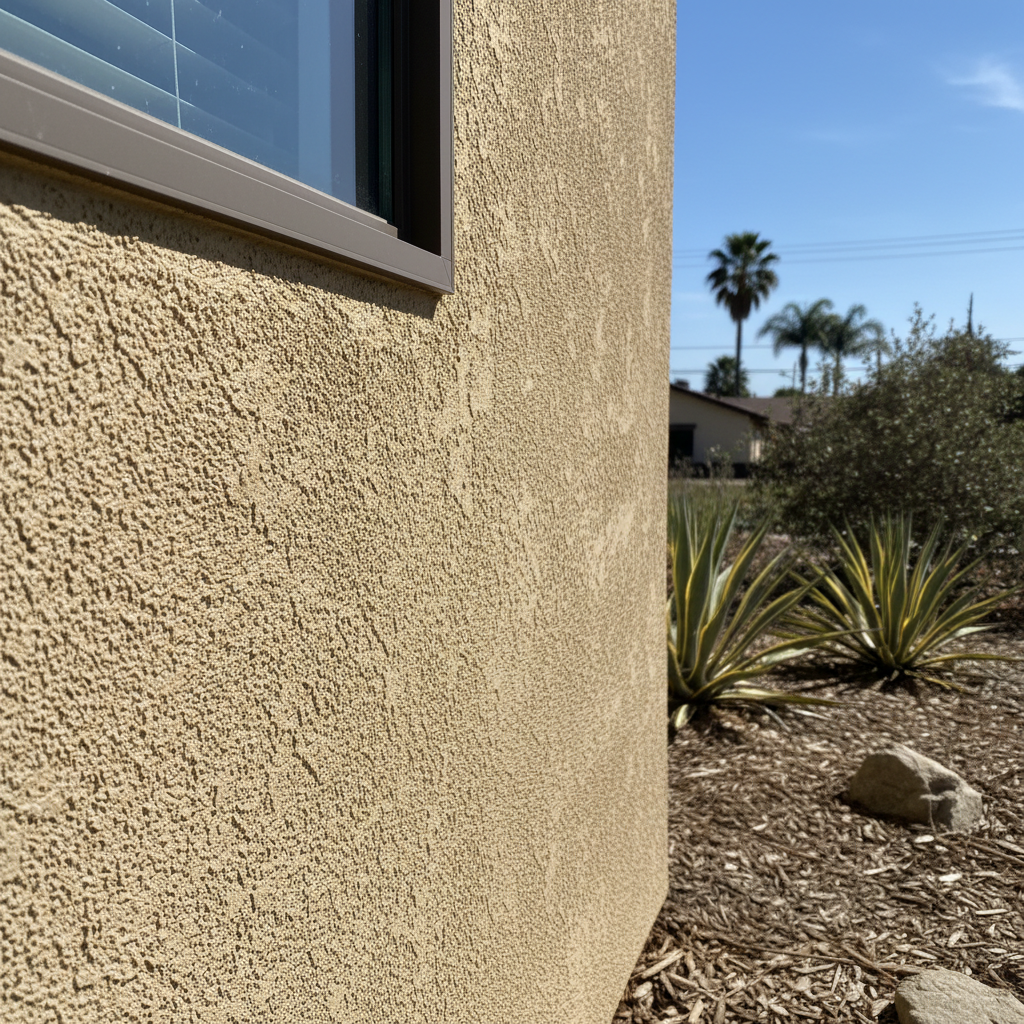
You're looking at stucco for your home, and someone mentioned 'commercial stucco.' What does that even mean for a house in Downey? Good question. When folks talk about commercial stucco for residential properties, they're usually thinking about durability, a more robust system, and often, a different aesthetic than your typical residential stucco job. It's not just for big buildings; it's a choice many homeowners make for a tougher, longer-lasting finish.
Before You Start: Planning & Expectations
First off, understand that 'commercial stucco' isn't a single product. It generally refers to systems designed for higher performance, often involving thicker applications, more advanced drainage planes, and sometimes different finish coats. Think about the kind of wear and tear commercial buildings get – that's the level of resilience we're talking about.
Before you even think about swinging a trowel, you need a solid plan. What's your goal? Are you trying to match an existing look, or are you going for something completely new? What's your budget? Commercial-grade materials and labor can cost more upfront, but they often pay off in longevity and reduced maintenance.
Here's what you can realistically do yourself at this stage:
- Research styles and finishes: Look at commercial buildings around Downey, maybe even some of the newer developments downtown. What textures do you like? Smooth, sand finish, dash?
- Set a budget: Get a clear idea of what you're willing to spend. Remember to factor in potential surprises, because construction always has 'em.
- Understand the basics: Learn about the different types of stucco systems – traditional three-coat, one-coat, EIFS. Each has its pros and cons, and not all are suitable for every situation or every home.
What you absolutely should NOT DIY at this stage is deciding on the system without professional input. The wrong system can lead to serious moisture issues, especially with our occasional heavy rains and the varied soil conditions we have around Downey, which can sometimes lead to foundation movement that stresses wall systems. You need someone who knows how these systems interact with your specific home's structure and local climate.
During the Project: Watching the Work
Once you've picked a system and, hopefully, a reputable contractor like us at Downey Stucco & Plastering, the work begins. This is where the rubber meets the road, and quality really matters. For a commercial-grade application, attention to detail is paramount.
What you can do during the project:
- Stay informed: Ask your contractor questions. What stage are they on? What materials are they using? A good contractor will be happy to explain things.
- Observe from a distance: You don't need to hover, but a quick check-in now and then is fine. Look for clean work, proper scaffolding, and general professionalism.
- Keep the site clear: Make sure access for workers and materials is unobstructed.
What you should NOT DIY during installation:
- Mixing materials: Stucco mixes are precise. Getting the water-to-cement ratio wrong can weaken the product or cause cracking.
- Applying coats: This isn't just slapping mud on a wall. Each coat – scratch, brown, and finish – has a specific thickness, curing time, and application technique. Improper application can lead to delamination, cracking, and moisture intrusion.
- Installing flashing or weep screeds: These are critical for water management. If they're not installed perfectly, you're looking at water damage down the line. This is a common failure point for DIY stucco jobs.
Seriously, this is skilled labor. A commercial-grade stucco job means precise layering, proper lath attachment, careful flashing around windows and doors, and consistent finish application. Trying to do this yourself without extensive experience is a recipe for disaster and expensive repairs later.
After the Project: Maintenance & Longevity
So, the dust has settled, and your home looks fantastic with its new, robust stucco. Now what? Even commercial-grade stucco isn't maintenance-free, but it's certainly lower maintenance than many other siding options.
What you can DIY for maintenance:
- Regular cleaning: A gentle wash with a hose and a soft brush can remove dirt and grime. For tougher spots, a mild detergent might be okay, but always test in an inconspicuous area first.
- Inspect for cracks: Walk around your house periodically, especially after any seismic activity or extreme weather. Small hairline cracks are normal; larger, spiderweb, or stair-step cracks need attention.
- Keep an eye on landscaping: Make sure plants aren't growing directly against the stucco, trapping moisture. Trim bushes and trees back.
- Check gutters and downspouts: Ensure they're clear and directing water away from your stucco walls and foundation.
What you should NOT DIY for maintenance/repair:
- Major crack repair: If you see significant cracking, don't just slather some caulk on it. That's a band-aid. You need to understand the cause of the crack (foundation movement, structural issues, improper application) before you can properly repair it.
- Moisture stain investigation: If you see dark stains or efflorescence (white powdery residue), that's a sign of water getting in. This requires a professional to diagnose the source and fix it properly.
- Repainting/re-coating: If your stucco finish starts to look faded or chalky, a professional can advise on the best way to refresh it, whether that's a specialized stucco paint or another finish coat. Doing it wrong can seal in moisture or compromise the breathability of the system.
Choosing commercial-grade stucco for your Downey home is a great investment in durability and curb appeal. Just make sure you're making that investment wisely by knowing when to roll up your sleeves and when to call in the pros.