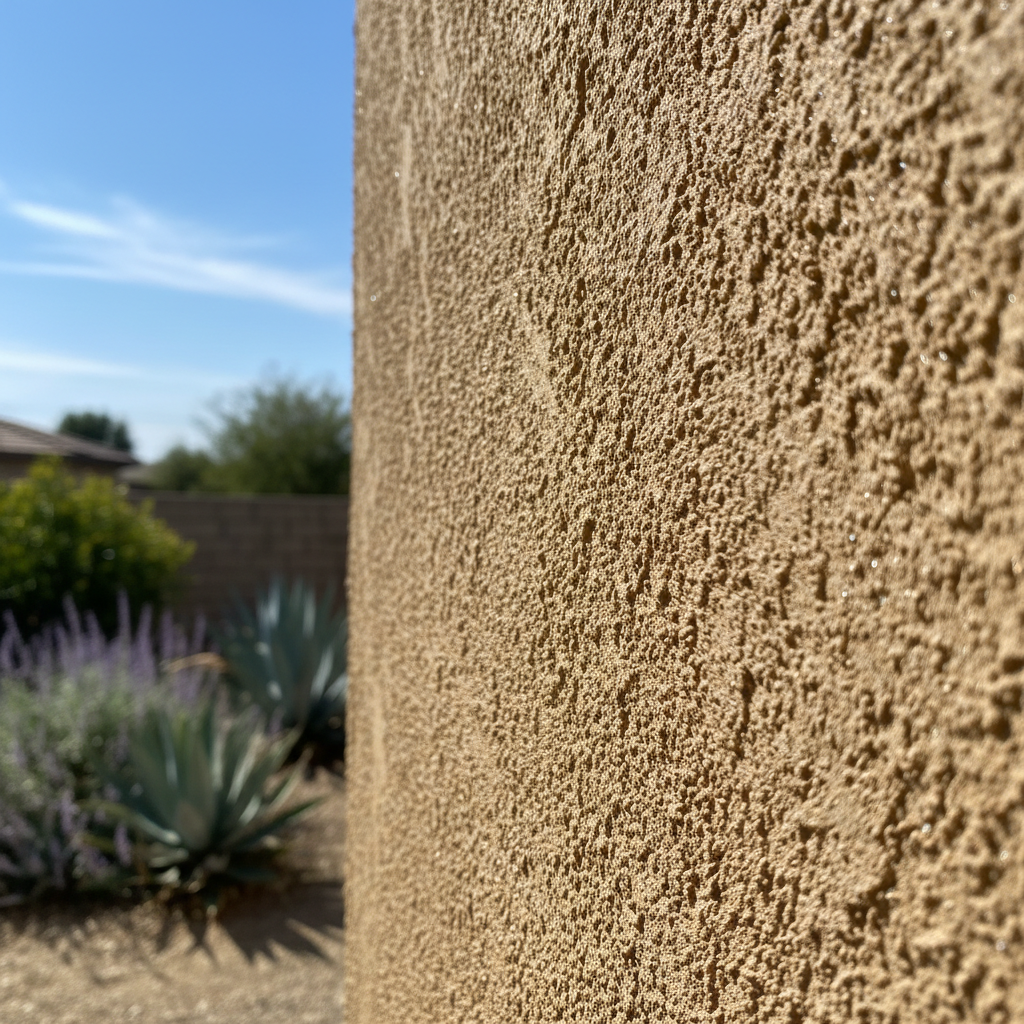
So, your stucco's looking a bit tired, huh? Maybe it's faded, stained, or just doesn't have that crisp, clean look it used to. You're probably thinking about redashing, and that's a smart move. A fresh coat of stucco can make your whole house feel new again, really boosting curb appeal and even protecting your home.
But before you run out and buy a mixer, let's talk about what redashing really is and what it takes. It's not just slapping on some paint; it's actually applying a new finish coat of stucco right over the existing one. This can be a great way to refresh your home without the full, expensive tear-off and re-stucco job.
Before You Start: Assessing Your Walls
First things first: you absolutely have to check the condition of your existing stucco. This is crucial. If your walls have a bunch of cracks – especially big, spiderweb cracks or horizontal ones – or if the stucco is delaminating (peeling off) in sheets, you've got bigger problems than a simple redash can fix. Redashing is really for cosmetic improvements or minor surface wear. It won't solve structural issues or widespread moisture problems, not by a long shot.
You need a solid, stable surface for the new stucco to bond to. Tap around the walls. Does it sound hollow in places? That could mean the existing stucco isn't properly bonded to the lath. If you see any signs of water intrusion, like dark streaks or efflorescence (that white powdery stuff) coming through, you absolutely need to address that source of moisture first. Redashing over a leaky wall is just asking for trouble down the line, and trust me, you definitely don't want that kind of headache.
Also, consider the type of finish you have. If you've got a smooth finish and want to go with a heavier texture, that's usually easier than trying to smooth out a highly textured wall with just a redash. Think about the existing texture and how a new, thin coat will sit on top of it.
The DIY Line: What You Can Realistically Do
Okay, so you've assessed your walls, and they're in pretty good shape – just faded or a little dingy. Can you redash yourself? For small, non-critical areas, maybe. Think a small garden wall, a detached shed, or a very small, single-story section of your house that's easy to reach.
Here's what you'd be getting into:
- Cleaning the surface: Power washing is usually a good start to remove dirt, grime, and loose paint. Make sure it's completely dry before doing anything else.
- Patching minor imperfections: Small hairline cracks or tiny divots can be patched with a stucco patch compound. You'll need to match the texture as best you can.
- Applying a bonding agent: This is key for the new stucco to stick to the old. Don't skip this step.
- Mixing the stucco: This is where things get tricky. Getting the right consistency is an art. Too wet, and it'll run; too dry, and it won't spread.
- Applying the finish coat: You'll need a hawk and trowel, and a lot of practice to get an even, consistent finish. Matching the texture of the rest of your house, or achieving a new uniform texture, is tough.
For a small, low-risk area, you might give it a shot. But be honest with yourself about your skill level and patience. Achieving a professional, uniform look across a large wall is incredibly difficult without experience.
When to Call Downey Stucco & Plastering
Now, for the vast majority of homeowners in Downey, especially if you're talking about the main walls of your house, multi-story sections, or if you're looking for a specific, high-quality finish, you really should call a professional. And I'm not just saying that because it's what I do at Downey Stucco & Plastering.
Here's why:
- Expert Assessment: We'll spot underlying issues you might miss, like hidden moisture or structural problems that need fixing before any redashing happens.
- Proper Preparation: Pros know exactly how to prep the surface. That includes specialized cleaning, patching, and applying the right bonding agents for maximum adhesion.
- Consistent Mix & Application: We've got the tools, the experience, and the crew to mix large batches consistently and apply the stucco evenly, ensuring a uniform color and texture across your entire home. There's nothing worse than a patchy job.
- Texture Matching & Custom Finishes: Want a Santa Barbara finish or a smooth, modern look? We can achieve that. Matching existing textures or creating new ones truly requires a skilled hand.
- Efficiency & Safety: We've got scaffolding, safety gear, and the know-how to get the job done efficiently and safely, especially on taller homes common in areas like the old Rancho Los Amigos neighborhood.
- Warranty: A reputable contractor will stand behind their work. If something goes wrong, you're covered.
Think about it like this: you wouldn't try to re-tile your entire roof yourself, would you? Stucco, especially when it comes to the finish and long-term protection of your home, is similar. It's a specialized trade.
After the Redash: Maintenance Matters
Whether you DIY a small section or hire us, maintenance is key to keeping that fresh redash looking good. Keep it clean. A gentle wash with a hose and a soft brush can remove dirt and cobwebs. Don't let sprinklers constantly hit the stucco in one spot, as that can lead to staining and mildew over time. And keep an eye out for any new cracks or damage, addressing them promptly to prevent bigger issues.
A good redash can last for decades, protecting your home and looking fantastic. Just make sure you're making the right choices before, during, and after the project.