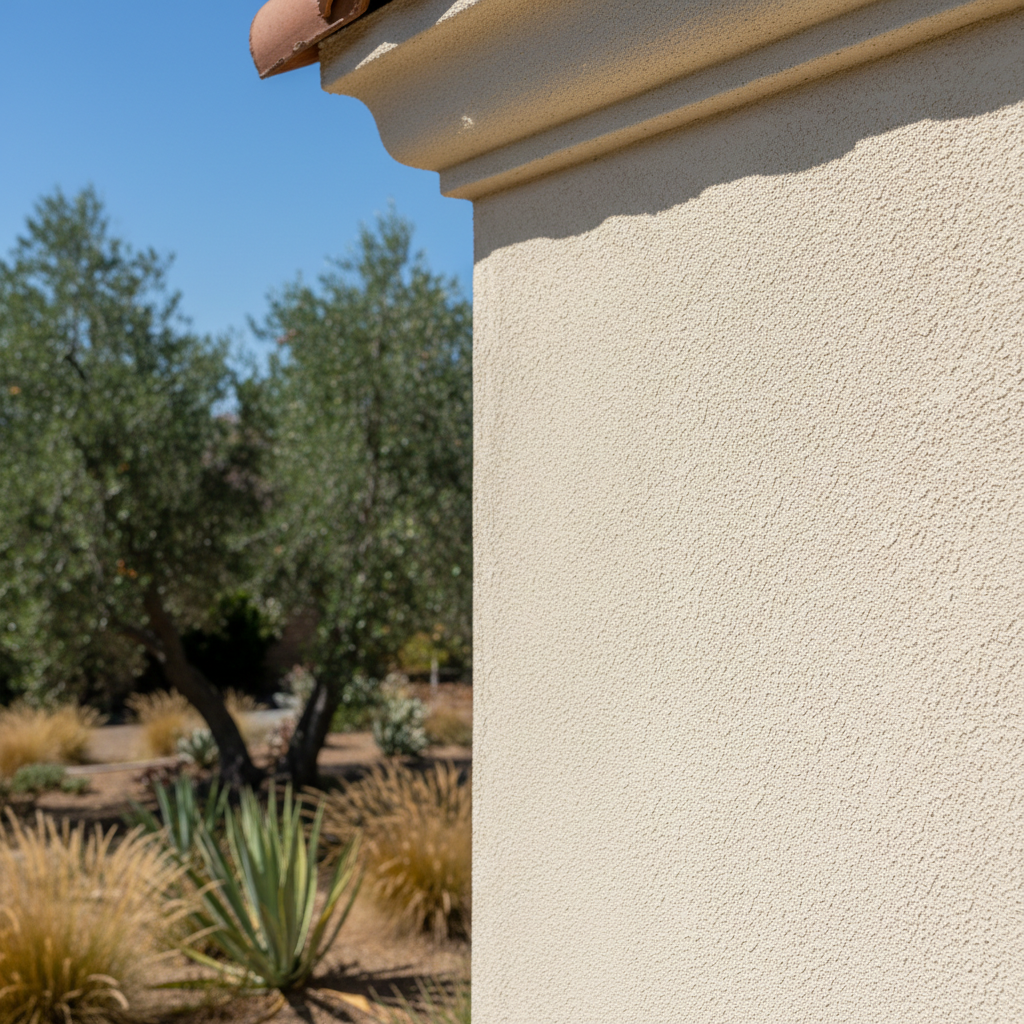
Can I just paint over my old stucco?
Look, technically, yeah, you can just slap paint on anything. But should you? That's a whole different story, especially with stucco. If your stucco has cracks, efflorescence (those white powdery stains), or areas that are soft and crumbling, painting over it is like putting a band-aid on a broken leg. The paint won't fix the underlying problems; it'll just hide them for a little while, and often make them worse. Moisture can get trapped, leading to bigger issues down the road. Before any paint goes on, you need to make sure the stucco is clean, dry, and structurally sound. That means patching cracks, repairing any damaged areas, and making sure there's no active water intrusion. Skipping these steps is a waste of time and money, plain and simple.
What kind of paint should I use for stucco?
This isn't like painting an interior wall, folks. You need a paint that's specifically designed for masonry and stucco. I always recommend high-quality acrylic latex paints. Why acrylic? They're flexible. Stucco naturally expands and contracts with our temperature swings here in Southern California, and a flexible paint can move with it without cracking. They're also breathable, which is super important. Stucco needs to be able to 'breathe' and release any trapped moisture. A non-breathable paint can seal that moisture in, causing bubbling, peeling, and even stucco failure. Don't cheap out here; a good paint job lasts longer and protects your home better.
How long does stucco paint last in Downey's climate?
That's a great question, and it really depends on a few things. First, the quality of the paint, as I just mentioned. Second, the quality of the prep work. If you didn't fix those cracks or clean the surface properly, even the best paint won't last. Third, our local weather plays a big role. We get a lot of sun exposure here, especially on south-facing walls. UV rays are brutal on paint. Generally, a high-quality acrylic stucco paint job, done right, should last you anywhere from 10 to 15 years, sometimes even more. But if you're in a spot like near the 605 where you get more exhaust grime, or your house is constantly baking in the sun, you might see it fade or wear a bit sooner. Regular cleaning can help extend its life.
Is it better to spray or roll stucco paint?
For most stucco jobs, spraying is the way to go, followed by back-rolling. Spraying ensures you get a really even, consistent coat, and it's much faster for large areas. It also helps the paint get into all those little nooks and crannies of the stucco texture. However, just spraying isn't always enough. Back-rolling means you go over the freshly sprayed paint with a roller. This pushes the paint deeper into the texture, ensures better adhesion, and helps create a more uniform finish. If you only roll, you might miss spots in the texture, and it's a lot more labor-intensive. If you only spray, you might not get the adhesion you need. So, the best approach is usually a combination of both.
What's the best time of year to paint stucco in Downey?
Timing is everything. You want dry, moderate weather for painting stucco. Here in Downey, that generally means spring or fall are your best bets. You want to avoid the peak heat of summer, especially July and August, because paint dries too fast in extreme heat, which can lead to poor adhesion and an uneven finish. It can also make the paint cure improperly. You also want to steer clear of our rainy season, typically winter, because you need several days of dry weather for the stucco to dry out completely before painting, and then for the paint to cure properly afterward. Humidity isn't a huge problem for us usually, but you definitely don't want any rain in the forecast for at least a few days after painting.
Will painting stucco change its texture?
Good question. If done correctly, painting stucco shouldn't drastically change its texture. The paint forms a protective layer over the existing texture. However, if you use a paint that's too thick, or apply too many heavy coats, you can start to fill in some of the finer details of the stucco's finish. This is another reason why I recommend spraying and back-rolling; it helps apply a consistent, appropriate thickness. If you're looking to change the texture, you're not just painting; you're looking at a re-dash or a skim coat, which is a different project entirely. For just painting, the goal is to enhance and protect the existing texture, not alter it.
Got more questions about your stucco? Or maybe you're ready to get a quote for painting or repairs? Give us a call at Downey Stucco & Plastering. We're right here, and we're happy to help you get your home looking its best.